
🎙️ The Spark: January 2022
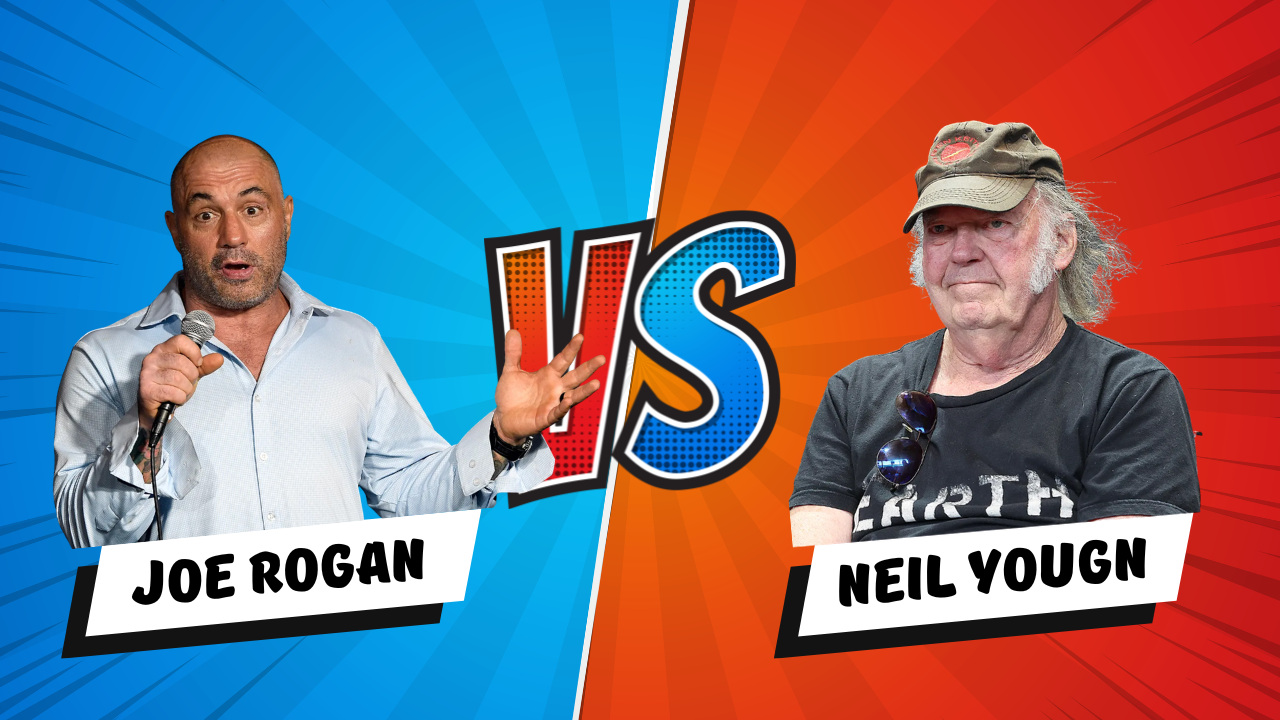
In January 2022, Neil Young publicly demanded that Spotify remove his music from the platform. His reasoning was clear: he believed Spotify was allowing dangerous COVID-19 misinformation to spread through The Joe Rogan Experience, one of its most popular podcasts.
Young issued a now-famous ultimatum:
“They can have Rogan or Young. Not both.”
At the time, Rogan had an exclusive deal with Spotify reportedly worth around $100 million, making his podcast a major asset for the company.
⚠️ The Core Issue: COVID-19 Misinformation
The controversy centered on episodes of Rogan’s podcast that featured guests who questioned vaccine effectiveness and public health measures. Critics—including Young—argued that this content could mislead listeners and cause real-world harm.
Young stated that Spotify was “spreading fake information about vaccines,” framing the issue as one of public safety rather than personal disagreement.
🎧 Spotify’s Decision
Spotify was forced to choose between:
- A legendary artist with decades of influence
- Its biggest podcast star driving massive engagement
Ultimately, Spotify sided with Rogan.
The platform removed Neil Young’s catalog within days, honoring his request rather than disciplining or removing Rogan.
Spotify defended its stance by emphasizing the balance between creator freedom and user safety, stating it didn’t want to act as a content censor.
🔥 The Fallout: Artists Join the Protest
Young’s move triggered a ripple effect across the music industry.
Several major artists followed his lead and pulled their music, including:
- Joni Mitchell
- India.Arie
- Members of Crosby, Stills, Nash & Young
Their reasons ranged from misinformation concerns to broader criticisms of Rogan’s past comments and Spotify’s payment structure.
At the same time, a group of hundreds of medical professionals publicly urged Spotify to address misinformation on the platform, increasing pressure on the company.
🎤 Joe Rogan Responds
Joe Rogan responded to the backlash by:
- Defending his podcast as a platform for conversation
- Agreeing to try to present more balanced viewpoints
- Apologizing for controversial past remarks unrelated to COVID
Spotify also took action by:
- Adding content advisories to COVID-related podcast episodes
- Removing dozens of older episodes from the platform
However, Rogan remained on Spotify, and his show continued.
⚖️ Bigger Picture: Music vs. Media Power
This wasn’t just a celebrity feud—it exposed a major shift:
- Spotify is no longer just a music platform—it’s a media company
- Podcasts (especially Rogan’s) can generate more revenue and engagement than music
- Artists often lack control over where their music is distributed due to label agreements
The situation raised bigger questions:
- Should platforms regulate misinformation?
- Who has more leverage—musicians or podcasters?
- Is streaming still built for artists, or for content creators?
🔄 What Happened After
Neil Young stayed off Spotify for over two years.
In 2024, he reversed course and returned his music to the platform. The key reason:
- Rogan’s podcast was no longer exclusive to Spotify, expanding to other platforms like Apple and Amazon
Young admitted he couldn’t realistically boycott every platform hosting Rogan, effectively ending the standoff.
🎯 Final Takeaway
The Neil Young vs. Joe Rogan conflict became a defining moment of the pandemic-era culture wars.
It highlighted:
- The growing influence of podcasting
- The limits of artist protest in the streaming era
- The tension between free speech and public responsibility
In the end, Spotify didn’t choose music over controversy—it chose engagement over everything.
